
The Allure of Chance: Understanding the Draw of Gambling
The psychology behind casino gaming is heavily influenced by the allure of chance. For many players, the thrill of not knowing whether they will win or lose creates an exciting atmosphere that is difficult to resist. This thrill is amplified by the sensory-rich environment of casinos, which are designed to engage all the senses—vibrant lights, lively sounds, and sometimes even enticing scents. Such stimuli can elevate adrenaline levels and enhance feelings of excitement, making the gaming experience more captivating. Players looking to elevate their gaming experience might consider exploring betting sites canada , which can offer a similar thrill in a digital format. The unpredictable nature of games, whether it’s spinning a roulette wheel or pulling a slot machine lever, adds a layer of suspense that many find irresistible.
Addiction to risk stems from the innate human attraction to unpredictability. Psychologically, individuals are often drawn to activities that provide potential rewards despite the accompanying risks. Casinos capitalize on this by offering games that promise significant payoffs, thus giving players an adrenaline rush akin to extreme sports or other high-stakes activities. This phenomenon of risk-reward dynamics can lead to gambling becoming addictive, with players returning for that rush of excitement time and again. The brain releases dopamine during these moments of potential win, reinforcing the behavior and making it hard for players to resist the urge to gamble.
Furthermore, the social aspects of casino gaming cannot be overlooked. Many individuals enjoy the camaraderie that can develop in gaming environments, whether they are competing against others at a table or simply sharing in the collective excitement of a casino. This social dynamic enhances the overall experience, making players feel connected and engaged in a way that solitary activities simply do not. The combination of chance, risk, and social interaction creates a compelling reason for individuals to immerse themselves in the world of gambling, allowing them to share their highs and lows with others who understand the thrill.
The Role of Cognitive Biases in Gambling Behavior
Cognitive biases play a significant role in how individuals approach casino gaming. The illusion of control is a common bias that many gamblers experience; it leads them to believe they can influence the outcome of games of chance. For example, a player may feel that they can increase their chances of winning by employing specific strategies, even in games that are purely based on luck. This often results in increased participation as players chase that feeling of control, which can be deceptive. The more they believe in their ability to sway outcomes, the more likely they are to continue playing, often to their detriment.
Another cognitive bias prevalent in gambling is the gambler’s fallacy, which refers to the flawed belief that past events can influence future outcomes in random games. For instance, if a player observes that a particular number has not been selected in a while during a game of roulette, they may wrongly assume that it is “due” to win soon. This misjudgment can lead to increased bets on that number, often resulting in greater losses. Understanding these biases provides insight into why individuals may continue to gamble despite unfavorable outcomes, as they cling to these misconceptions in hopes of recouping losses.
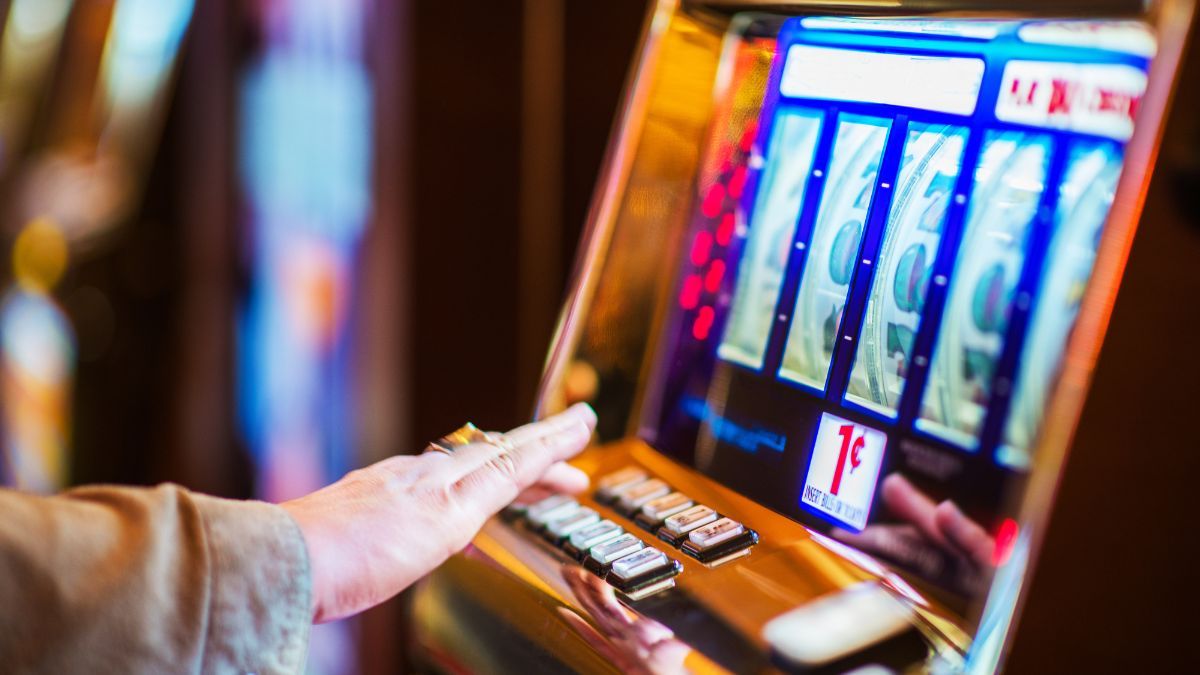
The reinforcement schedule used in casinos also significantly impacts players’ behaviors. Variable ratio reinforcement, where rewards are given after an unpredictable number of attempts, is particularly effective in encouraging continued play. This psychological principle explains why players may continue to gamble even after experiencing long periods without wins. The anticipation and unpredictability of rewards can create a cycle of behavior that reinforces the gambling habit, making it difficult for some to walk away. Casinos artfully design their games to exploit these cognitive biases, ensuring that players remain engaged and invested in the experience.
Emotional Triggers and Their Impacts on Gambling Choices
Emotions play a vital role in gambling decisions, often driving individuals to participate in casino games even against their better judgment. For many, gambling serves as an escape from stress, anxiety, or other negative emotions. The immediate gratification of winning can temporarily alleviate these feelings, making gambling an attractive coping mechanism. This reliance on gambling to manage emotions can lead to problematic behavior as individuals may prioritize gaming over other critical areas of life. As they chase the high of a win, they may overlook the potential consequences of their actions.
Moreover, casinos often create an environment that triggers positive emotions and reinforces a sense of well-being. The use of music, lighting, and decor can all evoke feelings of excitement and happiness, leading players to associate these positive sensations with gambling. This emotional conditioning reinforces the behavior, making players more likely to return to casinos in hopes of reliving those positive experiences. The carefully crafted ambiance serves not only to attract players but also to create a psychological environment that encourages them to spend more time and money.
Additionally, winning may elicit strong emotional responses that further entrench an individual’s gambling behavior. The elation of a big win can lead to euphoric feelings, reinforcing the belief that one can continue to succeed. However, this can also lead to an increased risk of chasing losses, as individuals try to replicate those high points, often ignoring the financial and emotional toll of their actions. Understanding the emotional triggers related to gambling can assist in recognizing potentially harmful patterns, allowing individuals to take proactive steps to mitigate their risks.
The Social Dynamics of Casino Environments
Social dynamics play a crucial role in gambling behavior, particularly in casino settings where interaction is a core component of the experience. The communal environment fosters a sense of belonging, encouraging individuals to engage in games with others, share strategies, and celebrate wins collectively. This socialization can enhance enjoyment and may lead many to gamble more than they initially planned. The presence of peers often intensifies the thrill, making the experience feel more rewarding. In many cases, the support and camaraderie can create a feedback loop, propelling individuals to gamble in groups, reinforcing the social ties.
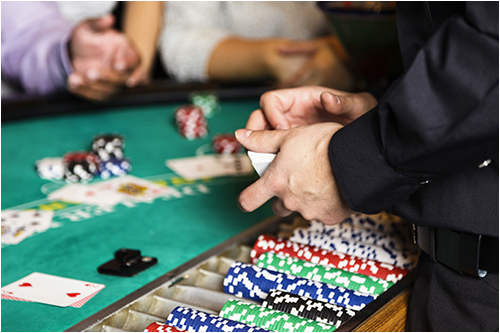
Additionally, social proof is a compelling factor in gambling behavior. Individuals are often influenced by the actions of those around them; if a group of friends is winning, others may feel compelled to join in, believing that the positive atmosphere will lead to their success. This phenomenon can extend to witnessing others win at nearby tables or machines, prompting bystanders to try their luck in hopes of replicating such successes. The communal experience of gambling can amplify the emotional highs and lows, making the overall experience more intense.
Furthermore, casinos often foster competitive environments through tournaments and promotions that encourage camaraderie and rivalry among players. These events can heighten the enjoyment of gambling while simultaneously encouraging higher stakes and increased participation. The combination of social interaction and competitive elements can be a double-edged sword, enhancing the fun of the experience while also contributing to the likelihood of developing gambling problems if not approached with caution. This social dynamic requires a delicate balance, as the excitement of competition can easily spiral into unhealthy gambling behaviors.
Responsible Gaming: A Path to Enjoyable Experiences
Understanding the psychology behind casino gaming is essential for promoting responsible gambling practices. By recognizing the emotional and cognitive influences that drive gaming behaviors, individuals can better manage their gambling habits. Education and awareness are vital tools for promoting healthier approaches to gaming, and casinos are increasingly adopting responsible gambling initiatives to support patrons in making informed choices. Such initiatives often include providing resources and information on how to gamble responsibly, helping players understand their own limits.
Strategies for responsible gaming include setting clear budgets, limiting time spent at gaming venues, and recognizing the signs of problem gambling. Developing self-awareness of one’s psychological triggers, such as emotional states that lead to gambling, can empower individuals to seek help or adjust their behavior when necessary. Many organizations and resources provide support for those who may struggle with gambling addiction, emphasizing the importance of seeking assistance before problems escalate. This proactive approach is critical in fostering a healthy gaming environment.
Casinos themselves are taking steps to encourage responsible gaming by implementing practices that promote safety and well-being among patrons. This includes offering self-exclusion programs, providing information on responsible gambling, and employing staff trained to identify and support individuals who may be developing issues related to gaming. By fostering an environment that prioritizes responsible gaming, casinos can help ensure that the entertainment remains enjoyable and does not lead to harmful consequences. The commitment to promoting responsible gambling not only helps individuals but also supports the long-term sustainability of the gaming industry as a whole.